


Source: facilitiesnet.com

Solar energy is a hot topic within the buildings and construction industries and will continue to grow in the coming years. This topic's popularity creates a demand for understanding solar power purchase agreements within the context of commercial projects, and it warrants nuanced considerations for commercial property and construction business owners.
태양광발전구매계약(PPA)이란?
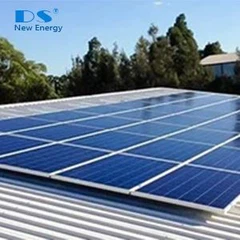
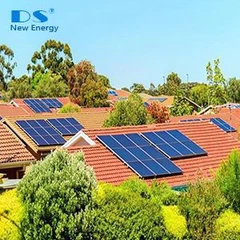
태양 에너지 구매 계약(SEPA)이라고도 하는 태양광 발전 구매 계약(SPPA)은 호스트라고 하는 상업용 시설 또는 부동산과 태양광 서비스 제공업체 간의 약정으로 호스트가 사용에 동의합니다. 태양광 서비스 공급자의 태양광(PV) 시스템. 이 시스템은 PV 시스템에서 생산된 에너지를 사용하는 대가로 호스트의 지붕이나 부동산에 설치된 태양광 패널을 통해 햇빛을 전기 에너지로 변환합니다. 이 시나리오에서 호스트는 SPPA당 선불 비용 없이 태양열 전기를 사용하는 기업, 정부 기관 및 교육 기관입니다.
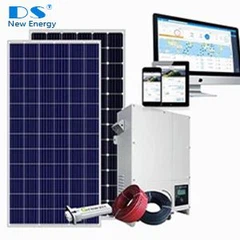
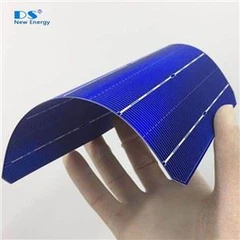
An SPPA is a performance-based arrangement where the host pays the solar service provider for the energy produced by its system, which is installed on the host's property. The solar service provider purchases the solar panels and all other required equipment for the project from a PV manufacturer. Typically, the PV manufacturer provides warranties for the solar equipment, provided it is installed properly. The solar service provider will either self-perform or subcontract the design and installation of the PV system, and they are responsible to specify the appropriate system components and arrange for follow-up maintenance over the life of the PV system.
태양열 서비스 제공자는 PV 시스템의 자금 조달, 설계, 허가 및 건설을 준비할 수 있는 프로젝트 조정자 역할을 합니다. 많은 태양열 서비스 제공업체에는 시스템에 대한 연방 및 주 세금 혜택을 받을 지분 자금을 제공할 외부 투자자 또는 개발자가 있습니다. 이것이 SPPA의 이점이 호스트에 선행 비용 없이 제공될 수 있는 방법입니다. 투자자와 태양광 서비스 제공업체가 특수 목적 법인(SPE)을 구성하는 경우가 있을 수 있습니다. 이를 통해 프로젝트는 세금 혜택과 시스템 출력 판매로부터 투자자에게 지불금을 받고 분배하는 법인 역할을 할 수 있습니다. SPPA는 호스트 시스템과 관련하여 태양열 서비스 공급자가 어떻게 구성되고 운영되는지 설명해야 합니다.
일반적으로 로컬 유틸리티는 호스트 서비스를 담당합니다. 또한 PV 시스템과 그리드 사이의 상호 연결이며 호스트에 계속해서 전기 서비스를 제공합니다. 이것은 시스템이 호스트의 전기 수요보다 적게 생산하는 기간을 포함하기 위해 수행됩니다. 일부 주에는 순 에너지 계량(NEM)이라고도 하는 순 계량이 있어 호스트가 전력망에 에너지를 저장할 수 있습니다. NEM은 PV 시스템이 필요한 것보다 더 많은 전기를 생산하는 경우 필요합니다. PV 시스템이 필요한 것보다 더 많은 전기를 생산하는 경우 지역 유틸리티로부터 크레딧을 받는 대가로 추가 에너지를 그리드로 보낼 수 있습니다. 이 크레딧은 야간과 같이 호스트의 태양광 패널이 저조한 시간에 사용할 수 있으며 호스트는 축적된 크레딧에 따라 유틸리티를 지불하는 대신 해당 시간에 그리드에서 저장된 에너지를 무료로 사용할 수 있습니다.
Most states have some mandatory net metering requirements, including a cap as to the amount that can be kept, while other states allow the utility to provide a credit for excess electricity generated from the PV system. Some SPPAs provide for the solar service provider to receive all credits.
SPPA에는 계약 내 여러 다른 핵심 참여자가 포함됩니다. 상업적 맥락에서 대부분의 SPPA 기간은 일반적으로 15년에서 20년 사이입니다. 계약 기간은 일반적으로 당사자 간에 협상됩니다.
Commercial Considerations for an SPPA
There are several benefits a host receives when taking part in an SPPA. First, by using renewable energy, many hosts can make a difference for the environment and be a part of helpful sustainable business practices. Second, there are generally no upfront costs involved in entering into an SPPA. Third, the SPPA hopefully allows a host to lock in low energy costs, but just know there may be an annual price escalator between 1 to 5 percent to account for system efficiency. Currently, system efficiency is known to decrease as the system ages due to cell and battery memory, but technology is improving system efficiency. Lastly, some SPPAs will include a buyout option that will allow the host to buy the system before the end of the SPPA.
호스트는 SPPA와 관련된 다음과 같은 위험도 고려해야 합니다.
1. Under an SPPA, a host is generally required to purchase the power produced at a pre-specified rate. If rates decrease, it is possible that a host can be locked into paying too much for the solar energy.
2. Consider if as an Owner you potentially pay less and save more by purchasing your own solar system with a cash purchase or capital improvement loan and receive the tax credits. This of course requires the host to have the capital necessary to accomplish the same and still enter into a contract for the systems installation, and a long-term service agreement with a contractor for maintenance.
3. 호스트는 태양광 서비스 공급자가 건물이나 부동산에 PV 시스템을 배치하고 유지 관리할 수 있는 지역권 또는 라이센스를 부여해야 합니다. 또한 호스트는 사이트를 안전하게 유지하면서 건물이나 재산에 대한 액세스를 허용하는 방법을 결정해야 합니다. 잘 작성된 SPPA가 이러한 위험을 할당하더라도{1}설치 및 유지 관리를 통한 속성 손상을 고려해야 합니다.
4. Any contract is only as good as the solar service provider with whom an owner is contracting. Under an SPPA, a building or property owner or manager has no ownership or control over the solar equipment. Because of this, the host is reliant on the solar services provider to repair and maintain the system, which can be frustrating if the system is not being properly maintained. If there are issues with the PV system, the solar service provider is likely contracted to pay for the operation and maintenance costs. It is important to make sure the solar services provider is reputable, financially sound and will be around for twenty years and beyond. As a commercial building or property host, consider in an SPPA what happens if the solar services provider is acquired by another company, goes bankrupt, or simply closes the doors.
This list of considerations is not exhaustive. This list is merely for educational purposes only and is not legal advice.
While there are always various factors worth discerning for any type of agreement between parties, an SPPA may be a great option for a host for the reasons stated above. However, there are also benefits for a host to have control over its own PV system and receive the tax benefits for the PV system. If you are a commercial owner interested in exploring an SPPA, consult with an attorney that understands the intricacies of an SPPA and make sure your risks and rewards are properly allocated and accounted.
Matthew E. Cox, partner, and Raziye Andican, associate, are attorneys with 스미스, 커리 핸콕 LLP, 사우스 캐롤라이나의 콜롬비아와 버지니아의 타이슨에 각각 사무실이 있습니다.


